Darknet Markets 2026:
The dark web is part of the deep web but is built on darknets: overlay networks that sit on the internet but which can't be accessed without special tools or software like Tor. Tor is an anonymizing software tool that stands for The Onion Router — you can use the Tor network via Tor Browser.
| Darknet Market | Established | Total Listings | Link |
|---|---|---|---|
| Nexus Market | 2024 | 600+ | Onion Link |
| Abacus Market | 2022 | 100+ | Onion Link |
| Ares | 2026 | 100+ | Onion Link |
| Cocorico | 2023 | 110+ | Onion Link |
| BlackSprut | 2023 | 300+ | Onion Link |
| Mega | 2016 | 400+ | Onion Link |
Updated 2026-05-29
Easy Steps for Safe Shopping on Darknet Markets
Navigating darknet market links requires a methodical approach to ensure a secure and satisfactory purchasing experience. The process begins with identifying a reliable directory or forum that curates and verifies active market links, as these platforms are subject to frequent change. Once a legitimate link is acquired, access is granted through the Tor browser, which anonymizes user traffic by routing it through a series of volunteer-operated servers.
Establishing trust with a vendor is a multi-step analysis. A vendor's reputation score, accumulated over numerous transactions, serves as a primary indicator of reliability. This score is complemented by a history of detailed buyer feedback, which provides transparent insight into product quality, shipping speed, and stealth packaging methods. Newer vendors often offer smaller quantities to allow users to assess their service with lower risk before committing to larger orders.
The transaction itself is secured by the market's escrow system. Funds are held by the market administrators until the buyer confirms satisfactory receipt of the product, at which point they are released to the vendor. This mechanism protects both parties from fraudulent activity. All financial transactions are conducted using cryptocurrencies like Bitcoin or Monero, which provide a layer of financial privacy and are the required method of payment on these platforms.
Encryption Keeps Your Darknet Shopping Private
Encryption is the fundamental technology that secures every step of a transaction on darknet markets. When you access a market, your connection is routed through the Tor network, which encrypts your traffic multiple times. This process anonymizes your IP address, making it extremely difficult for any third party to trace your activity back to your physical location or identity.
Beyond the initial connection, marketplaces themselves employ end-to-end encryption for all communications. This means that when you message a vendor to discuss product specifics or shipping details, the content of your messages is scrambled. Only you and the vendor possess the unique cryptographic keys required to decrypt and read the conversation. This system ensures that even the market administrators cannot access the private contents of your discussions, protecting you from potential eavesdropping and maintaining the confidentiality of your order.
The use of PGP (Pretty Good Privacy) is a standard practice for securing sensitive information. You use the vendor's publicly available PGP key to encrypt your delivery address before sending it. This encrypted message can only be decrypted by the vendor using their private key, guaranteeing that your personal information is shared solely with the intended recipient and is secure during transmission. This layered approach to encryption creates a trusted environment for commerce, allowing for the secure exchange of goods and information.
How Crypto Helps People Buy Things Privately
Cryptocurrency is the financial backbone of darknet commerce, enabling a level of privacy and security that traditional payment systems cannot offer. Transactions using Bitcoin or Monero are pseudonymous by design, meaning they are not directly tied to a user's real-world identity like a credit card or bank transfer would be. This financial anonymity is a fundamental requirement for the ecosystem to function, protecting both the buyer and the vendor.
The process is straightforward. A buyer funds their market wallet and places an order. The market's escrow system then holds the cryptocurrency until the product is received and confirmed. This escrow mechanism is a critical trust feature, ensuring vendors are paid for their services and buyers receive what they pay for. The release of funds is typically automated upon finalization, completing a secure and efficient transaction that supports the darknet market model.
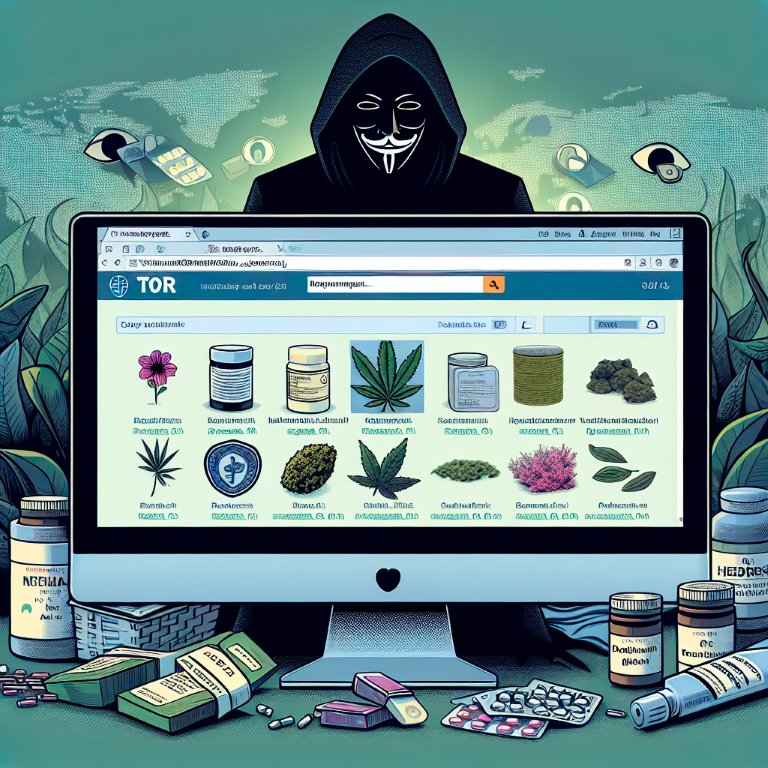
How Feedback Builds Trust for Darnet Vendors
Vendor reputation systems form the operational backbone of trust on darknet markets, transforming anonymous interactions into reliable commercial exchanges. These systems function by compiling and displaying quantitative and qualitative feedback from previous buyers, creating a transparent record of a vendor's history.
The core metrics include a vendor score, typically a percentage based on positive reviews, and a transaction count, indicating sales volume. A high score coupled with a large number of transactions signals a consistent and trustworthy operation. Markets often implement a tiered system, awarding trusted or featured status to top vendors, which further validates their reliability.
Beyond numbers, the qualitative feedback in review sections is critical. Buyers detail their experience with product quality, shipping speed, and stealth packaging. This peer-generated content provides specific insights that raw numbers cannot, allowing new buyers to make informed decisions based on the experiences of others. The community self-regulates through this feedback, as vendors with poor practices are quickly identified and avoided.
Escrow services are integrated with these systems, holding a buyer's cryptocurrency until the product is received and confirmed. This mechanism protects consumers from fraudulent vendors. Successful finalization of an escrow transaction automatically releases the funds and often prompts the buyer to leave a review, continuously feeding the reputation system with new data. This creates a sustainable ecosystem where trust is both earned and verifiable, significantly de-risking transactions for all parties involved.
Finding the Best Products with Trusted Darknet Reviews
Peer reviews form the foundation of trust and quality assurance on darknet markets, operating as a transparent and self-regulating system. A vendor's reputation is built directly from verified purchase reviews, which provide an accurate account of product quality, shipping speed, and communication. These reviews are difficult to falsify, as most marketplaces only allow feedback from users who have successfully completed a transaction, ensuring the information comes from real customers.
The review system typically includes several key components. Buyers often rate their experience on a numerical scale for criteria like product purity, stealth packaging, and overall value. Detailed written feedback offers specific insights that ratings alone cannot convey, describing nuances of the experience. This collective data creates a vendor rating score, a quick visual indicator of reliability that helps users make informed decisions quickly.
For buyers, this system demystifies the shopping process. By prioritizing vendors with a long history of positive feedback, the risk of receiving substandard products is significantly reduced. This mechanism ensures that high-quality vendors are rewarded with more business, while those who provide poor service or products are quickly identified and avoided by the community.
Secure Software for Easy Darknet Access
Accessing darknet markets requires specialized software designed to protect user identity and facilitate anonymous communication. The Tor Browser is the primary tool for this purpose, routing internet traffic through a series of volunteer-operated servers to conceal a user's location and activity. This network architecture ensures that market transactions and vendor interactions remain confidential and shielded from outside observation.
Beyond the browser, the use of PGP encryption is non-negotiable for secure communication. This method allows buyers to encrypt their personal details, such as delivery addresses, ensuring that only the intended vendor with the corresponding private key can decrypt and read the information. This direct encryption between parties eliminates the risk of sensitive data being intercepted or stored on the market server.
The combination of these technologies creates a secure environment for commerce. It allows individuals to confidently evaluate trusted vendors based on their transaction history and peer reviews, leading to more reliable and higher-quality acquisitions. The software is not a barrier but a gateway to a more secure and discreet method of obtaining goods.
How Anonymity Protects Buyers on the Darknet
The foundation of secure darknet commerce is the principle of anonymity, which is achieved through a combination of specialized software and user discipline. Accessing a darknet market requires the Tor browser, which encrypts and routes a user's internet traffic through a global network of volunteer-operated servers, effectively obscuring their IP address and physical location from the market and its vendors. This technical layer prevents outside observers from linking a user's market activities to their real-world identity.
Beyond the initial connection, transactions are secured by the use of cryptocurrencies like Monero or Bitcoin. These digital currencies facilitate pseudonymous payments, allowing users to transfer funds without revealing sensitive banking information. The decentralized nature of these currencies means no central authority can freeze an account or reverse a transaction, finalizing the exchange with certainty.
Trust is established not through personal identification but through cryptographic signatures and transparent reputation systems. Each vendor has a unique public key, and their digital signature on a product listing verifies its authenticity. A vendor's long-term reputation, built on countless customer reviews and a high completion rate of orders, becomes their most valuable asset, incentivizing honest business practices and the provision of high-quality products. This ecosystem ensures that privacy and security are not compromised for the sake of commerce.
How Darknet Markets Build Trust for Safe Shopping
The reliability of transactions on darknet markets is a direct function of the systems designed to foster trust between anonymous parties. Escrow services are the primary mechanism ensuring security. Funds from a buyer are held by the market's escrow system until the product is received and confirmed, at which point they are released to the vendor. This prevents vendors from accepting payment without shipping goods and discourages fraudulent buyers from falsely claiming orders never arrived.
This system is reinforced by vendor reputation scores and detailed peer reviews. A vendor's history of successful transactions is publicly visible, creating a powerful incentive for consistent, honest service. Buyers contribute to this ecosystem by leaving feedback on product quality, shipping speed, and stealth packaging, which collectively serves as a crowdsourced verification tool for the entire community.
For safe shopping, selecting a trusted vendor involves a clear process:
- Analyze the vendor's sales history and overall rating.
- Read recent reviews to assess current performance and product consistency.
- Start with a small test order to evaluate the vendor personally before committing to larger purchases.
The combination of cryptocurrency payments and PGP encryption further secures the process. Cryptocurrency allows for pseudonymous financial transactions, while PGP encryption ensures that all communication, including delivery addresses, remains confidential and tamper-proof. This layered approach to security and verification makes modern darknet markets a structured environment for conducting reliable transactions.